
Compare First
Compare load capacity, runtime estimate, and outlet layout. Then check device compatibility, connection type, and power or charging needs before price becomes the deciding factor.
No BS. Just Great Deals.
Amazon Affiliate DisclosureTool Guide
Compare 11 Amazon picks by load capacity, runtime estimate, and outlet layout. Use device compatibility, connection type, and power or charging needs to separate finalists for desk, mobile, and device-dependent work, including computer systems analysts, computer user support specialists, database.
Use the cards to shortlist by fit and specs, then verify price, seller, and availability on Amazon.
Disclosure: As an Amazon Associate, we may earn from qualifying purchases.
Answer Summary
Start with load capacity, runtime estimate, and outlet layout. Then compare device compatibility, connection type, and power or charging needs. This guide reviews 11 Amazon picks for desk, mobile, and device-dependent work, including computer systems analysts, computer user support specialists, database. Product cards for ups backups help verify the final fit.
Compare load capacity, runtime estimate, and outlet layout. Then check device compatibility, connection type, and power or charging needs before price becomes the deciding factor.
Skip products that hide a required size, material, power, or compatibility detail.
Confirm the exact model, included parts, seller, current price, delivery timing, and return window.
The shortlist starts with load capacity, runtime estimate, and outlet layout. It then weighs device compatibility, connection type, and power or charging needs for desk, mobile, and device-dependent work, including computer systems analysts, computer user support specialists, database. Each detailed card uses visible product facts and names a check that can change the decision.
APC Back-UPS 650VA / 390W Battery Backup & Surge Protector is the first option to compare. The product details show 650 VA power capacity and 390 W power rating.
Replaceable-battery models add ongoing battery upkeep.
Skip options that leave load capacity or runtime estimate to guesswork. Skip lookalike listings when device compatibility or connection type changes whether the product actually fits.
Do not treat similar product titles as equal until load capacity, runtime estimate, and upkeep needs are verified.
Usually a strong fit for Database Administrators and Architects when the job depends on desk and office workflows with repeated daily tasks.
Less useful if your need is occasional or if the main tradeoff here cuts against the way you work.
Check these signals before choosing this tool type.

APC Back-UPS 650VA / 390W Battery Backup & Surge Protector
APC's overall option is intended for desk and office workflows with repeated daily tasks.
Listing details
Replaceable-battery models add ongoing battery upkeep.
APC Back-UPS 650VA / 390W Battery Backup & Surge Protector, 8 Outlets, RJ45 Ethernet Protection, BE650G1 Uninterruptible Power Supply for Computers, Wireless Routers, and Home Office Electronics
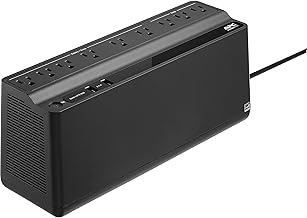
APC Back-UPS 850VA / 450W UPS Battery Backup & Surge
APC's practical option is intended for desk and office workflows with repeated daily tasks.
Listing details
Replaceable-battery models add ongoing battery upkeep.
APC Back-UPS 850VA / 450W UPS Battery Backup & Surge Protector, 9 Outlets, Type A Charger, BE850G2 Uninterruptible Power Supply for Home Office & Computer

APC UPS Back-UPS Pro 1500VA UPS, 900W Battery Backup
APC's premium option is intended for desk and office workflows with repeated daily tasks.
Listing details
Replaceable-battery models add ongoing battery upkeep.
APC UPS Back-UPS Pro 1500VA UPS, 900W Battery Backup & Surge Protector, AVR, 10 Outlets (NEMA 5-15R), LCD, BX1500M Uninterruptible Power Supply for Computers, Wi-Fi Routers, Home Office Electronics

CyberPower SL700U Standby UPS Battery Backup and Surge Protector, 700VA/370W
CyberPower's everyday option is intended for power continuity for routers, modems, and workstation gear.
Listing details
Replaceable-battery models add ongoing battery upkeep.
CyberPower SL700U Standby UPS Battery Backup and Surge Protector, 700VA/370W, 8 Outlets, Slim Profile, UL Certified

GOLDENMATE 1000VA/800W Lithium UPS Battery Backup and Surge Protector
GOLDENMATE's durable option is intended for power continuity for routers, modems, and workstation gear.
Listing details
Replaceable-battery models add ongoing battery upkeep.
GOLDENMATE 1000VA/800W Lithium UPS Battery Backup and Surge Protector, Backup Battery Power Supply with LiFePO4 Batteries(230.4 Wh), Sinewave UPS System, 10 Years Lifespan, 8 Outlets, LCD Display

CyberPower ST425 Standby UPS Battery Backup and Surge Protector, 425VA/260W
CyberPower's compact option is intended for power continuity for routers, modems, and workstation gear.
Listing details
Smaller builds are easier to store and handle, but they usually give up some day-to-day.
CyberPower ST425 Standby UPS Battery Backup and Surge Protector, 425VA/260W, 8 Outlets, Compact, UL Certified

CyberPower ST625U Standby UPS Battery Backup and Surge Protector, 625VA/360W
The strong fit option is intended for power continuity for routers, modems, and workstation gear.
Listing details
Smaller builds are easier to store and handle, but they usually give up some day-to-day.
CyberPower ST625U Standby UPS Battery Backup and Surge Protector, 625VA/360W, 8 Outlets, 2 USB Charging Ports, Compact, UL Certified

Amazon Basics UPS Battery Backup & Surge Protector, 400VA/255W
The easy handling option is intended for power continuity for routers, modems, and workstation gear.
Listing details
Smaller builds are easier to store and handle, but they usually give up some day-to-day.
Amazon Basics UPS Battery Backup & Surge Protector, 400VA/255W, 6 Outlets, Uninterruptible Power Supply, Small Compact Size, Black
Amazon Basics UPS Battery Backup & Surge Protector, 600VA/360W, 8 Outlets, Standby Uninterruptible Power Supply, Power Outage Protection, Compact Design, Black
APC Back-UPS Pro 1000VA UPS, 600W Battery Backup & Surge Protector, AVR, 8 Outlets (NEMA 5-15R), LCD Display, BX1000M Uninterruptible Power Supply for Computers, Wi-Fi Routers, Home Office Electronics
CyberPower EC850LCD Ecologic UPS Battery Backup and Surge Protector, 850VA/510W, 12 Outlets, ECO Mode, Compact, UL Certified
Before checkout, decide whether a ups backup also requires Power Strip/Surge Protector, Extension Cords, Ethernet Cables, Cable Management Sleeves, Label Maker, and Cable Ties to make the workflow complete.
Editorial Notes
This UPS Backup guide is compared using load capacity, runtime estimate, and outlet layout, device compatibility, connection type, and power or charging needs. Product links appear only after relevance and visible details are checked.
Affiliate commissions do not determine rankings. We do not accept paid placement, sponsored rankings, or off-topic filler products.
Guides focus on product details, category fit, and practical tradeoffs. We do not claim hands-on lab testing unless a page says so directly.
Definition
Start with load capacity, runtime estimate, and outlet layout, then compare device compatibility, connection type, and power or charging needs before treating price as the deciding factor.
The cheapest option is a bad fit when it misses a required size, material, compatibility detail, safety expectation, or durability threshold for the job.
For ups backups, start with load capacity, runtime estimate, and outlet layout and device compatibility, connection type, and power or charging needs. Then confirm any compatibility limit shown in the product card.
Verify the exact model, seller, price, delivery timing, return window, and recent customer feedback before checkout.